
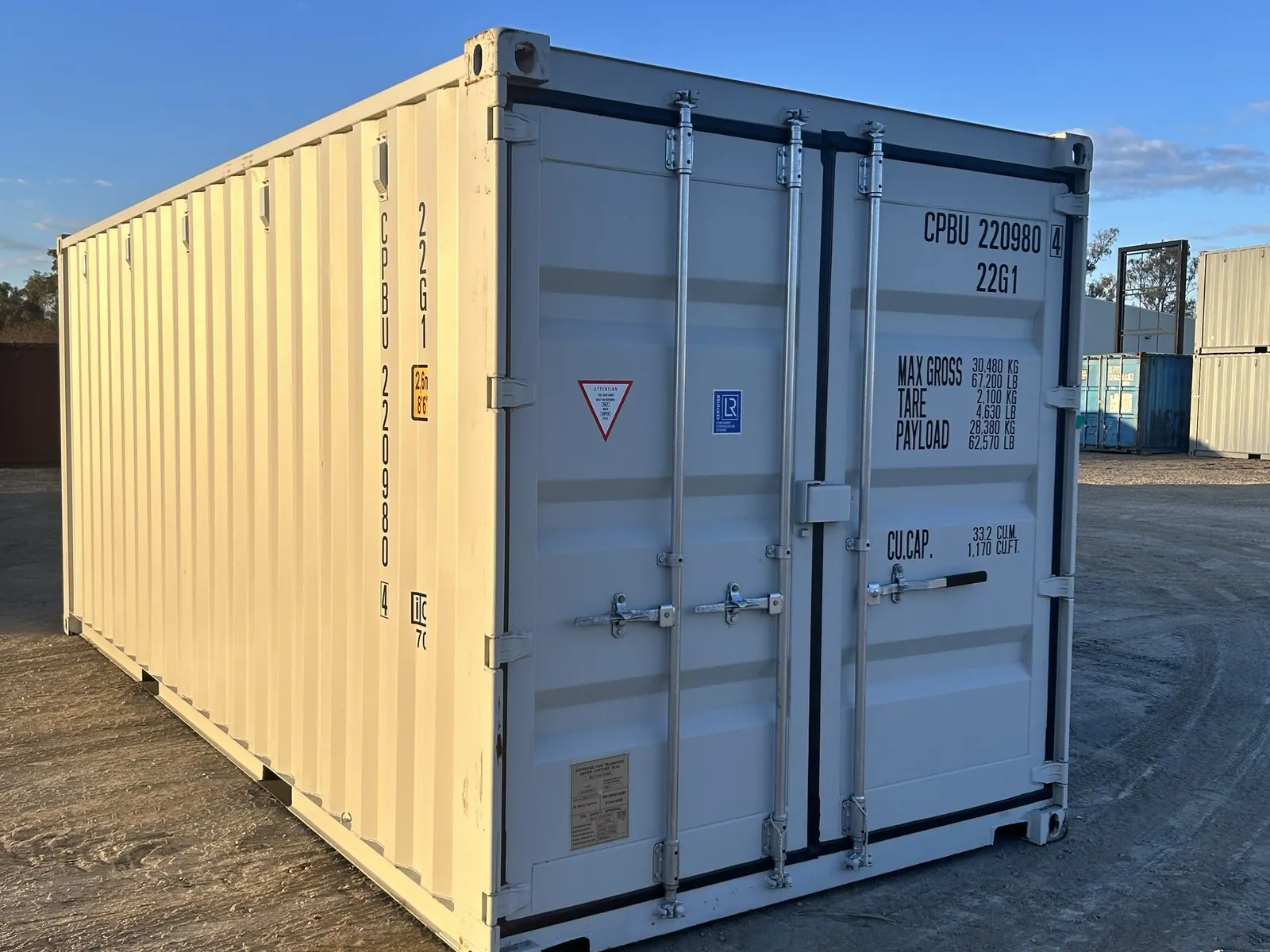
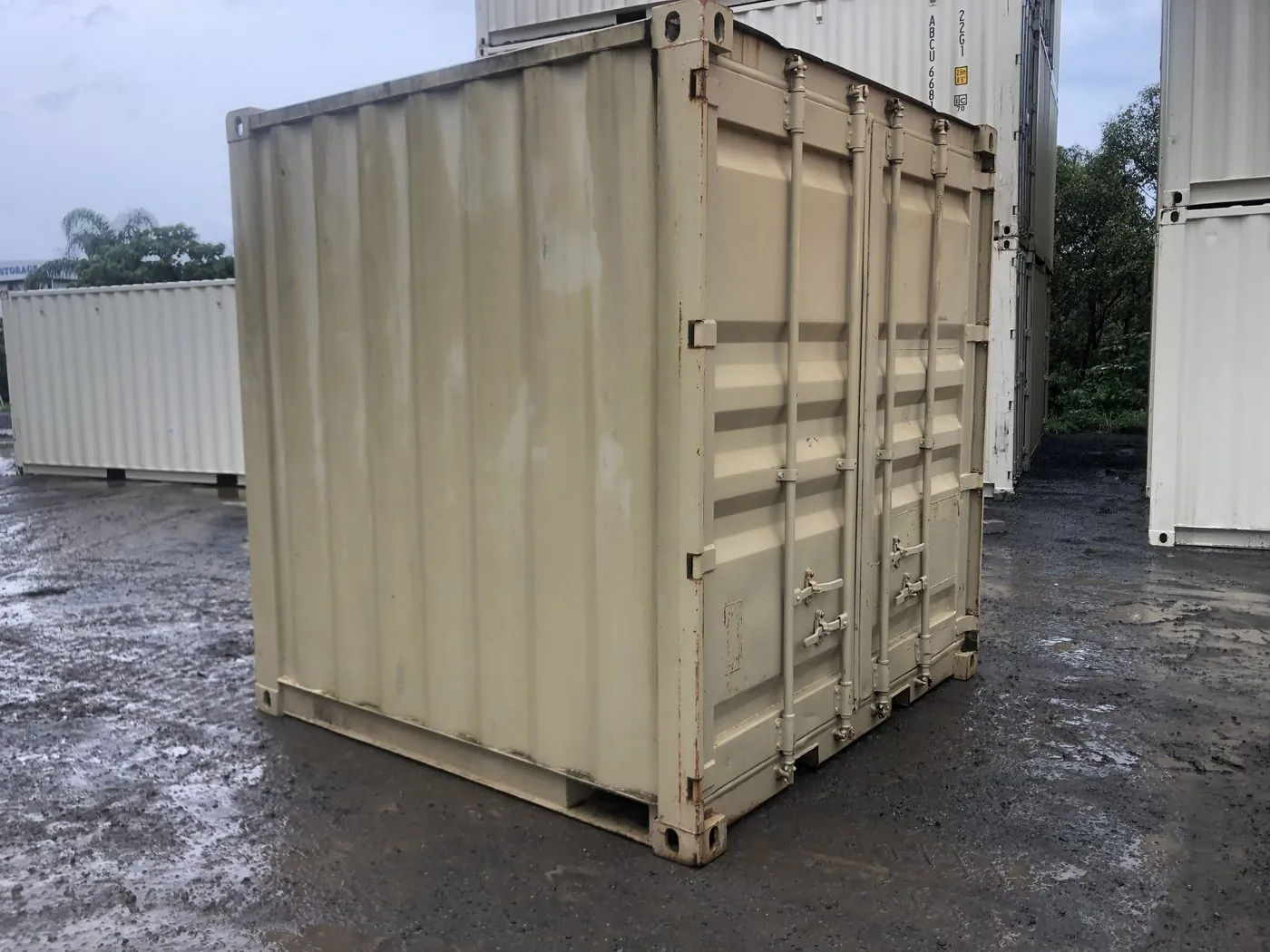
 10ft
10ft10ft Shipping Containers
Side access is pinched, the setback leaves nothing to manoeuvre in, or all that is needed is a lockable spot for the mower, an air compressor and a wall of hand tools.
Sales & hire · every state and territory
 Proudly Aussie owned
Shipping containers for sale and hire, delivered anywhere in Australia. Your unit comes out of the yard closest to you rather than being carted across the country.

Room for more.Less mucking around.
Tell us what you need and where it's going — a real person comes back with a delivered price.
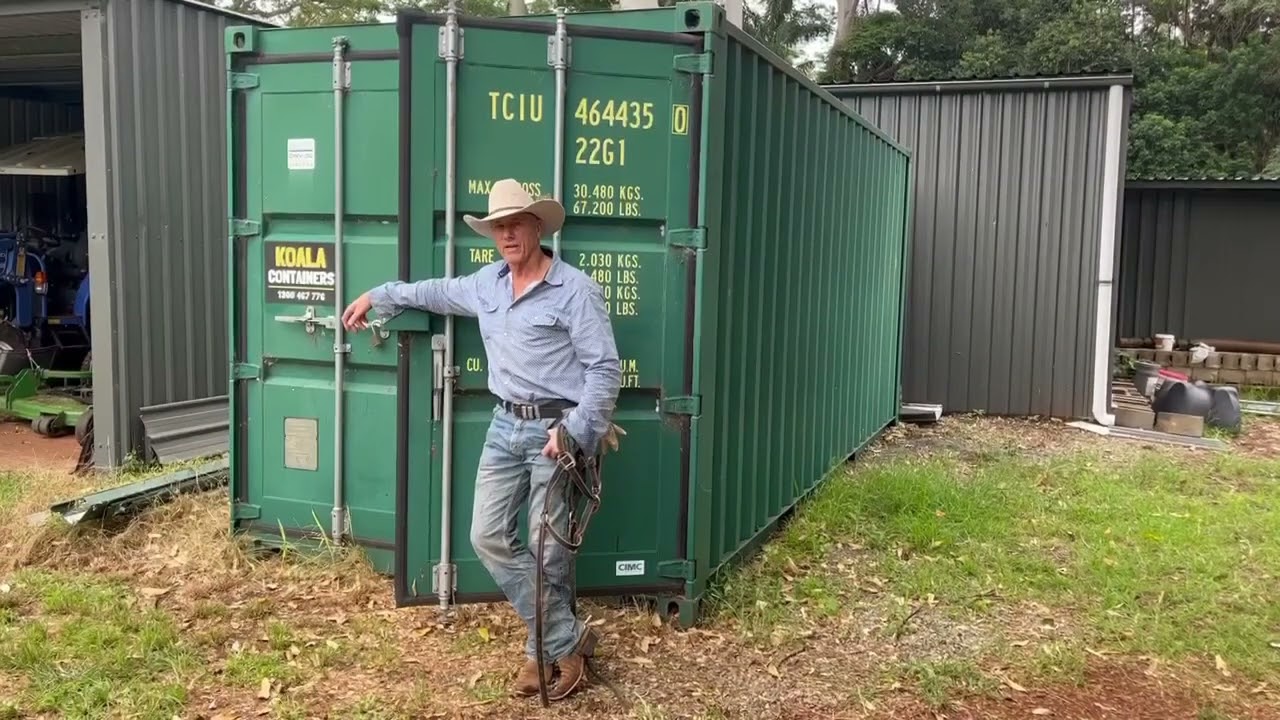
Two minutes on what actually turns up when you order a container from us.
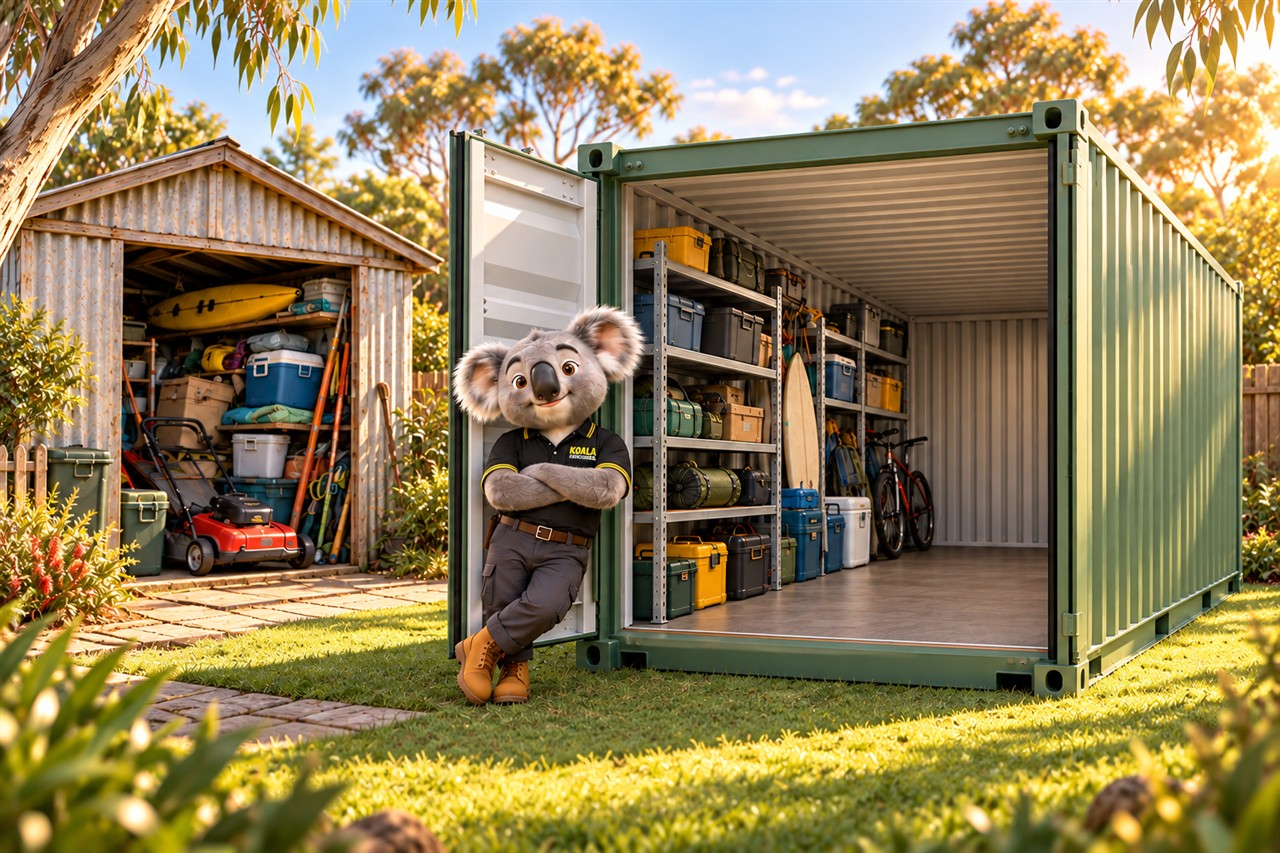
Make room with Koala
Tools, camping gear and the stuff you swear you’ll need one day. A Koala container gives it a place of its own.
Tell us what you need and where it’s going. We’ll help with the size and grade, and get you a container and delivery price.
Get my delivered priceWork out what fits
Good people. Practical help.
A bit of extra space shouldn't be a big headache. Talk to our friendly Aussie team and we'll help you work it out.
We hold and draw stock through yards and depot partners around the country, so for most addresses the container starts its run somewhere reasonably close rather than crossing the continent. Give us the address and we will tell you where yours comes from. You can inspect units at our Cornubia yard (ring first); other depots are by arrangement. How supply works
The range
Settle the length and the grade first. Where the price lands comes down to the condition of the box, what is physically in stock the week you ring, and which yard it has to be released from — so it is quoted for the unit, with delivery, rather than guessed.
10ftSide access is pinched, the setback leaves nothing to manoeuvre in, or all that is needed is a lockable spot for the mower, an air compressor and a wall of hand tools.
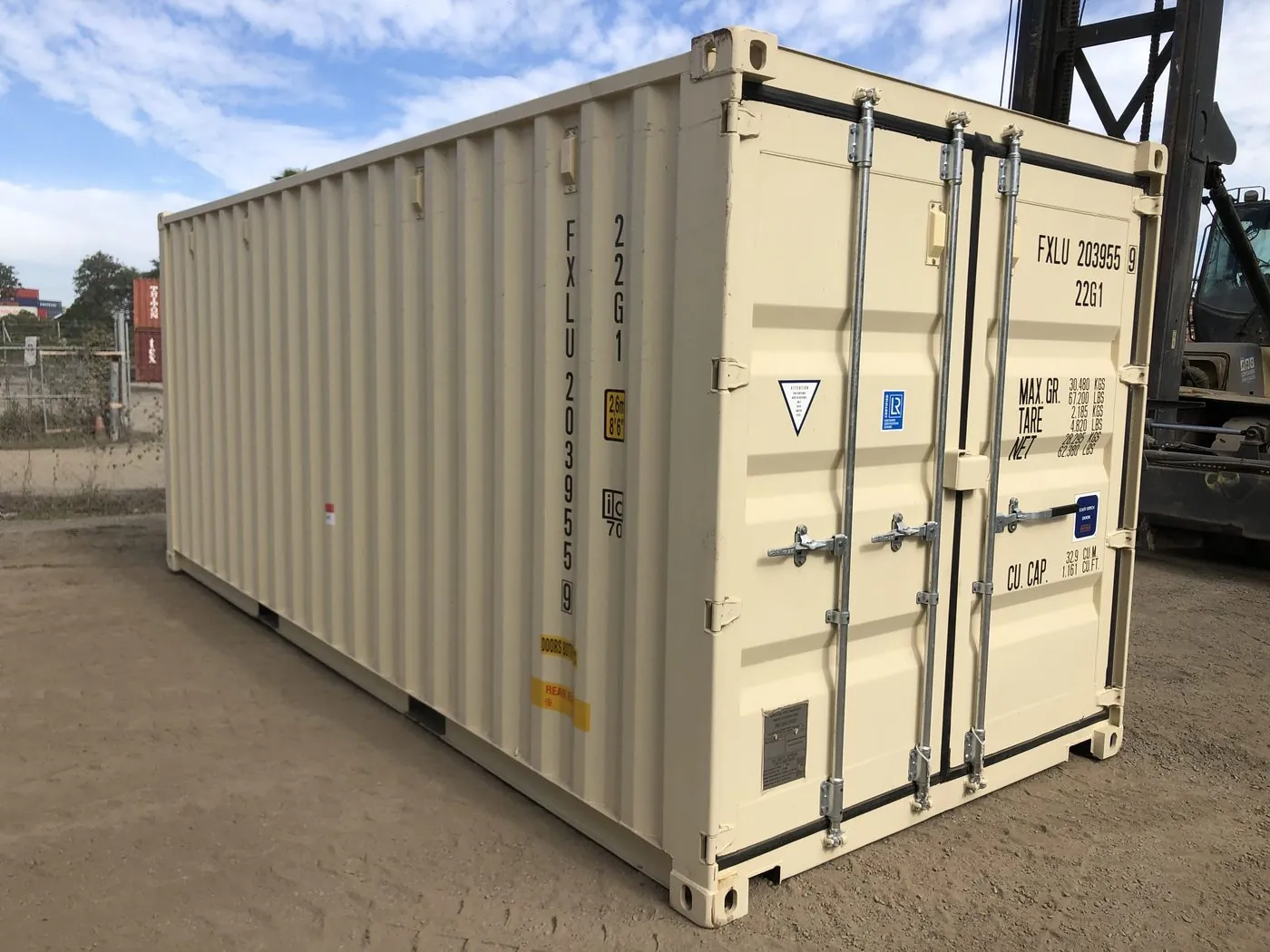 20ft
20ftThere is about seven metres of straight, reasonably level ground for it to sit on, and you would rather not discover in half a year that the bigger box was the answer.
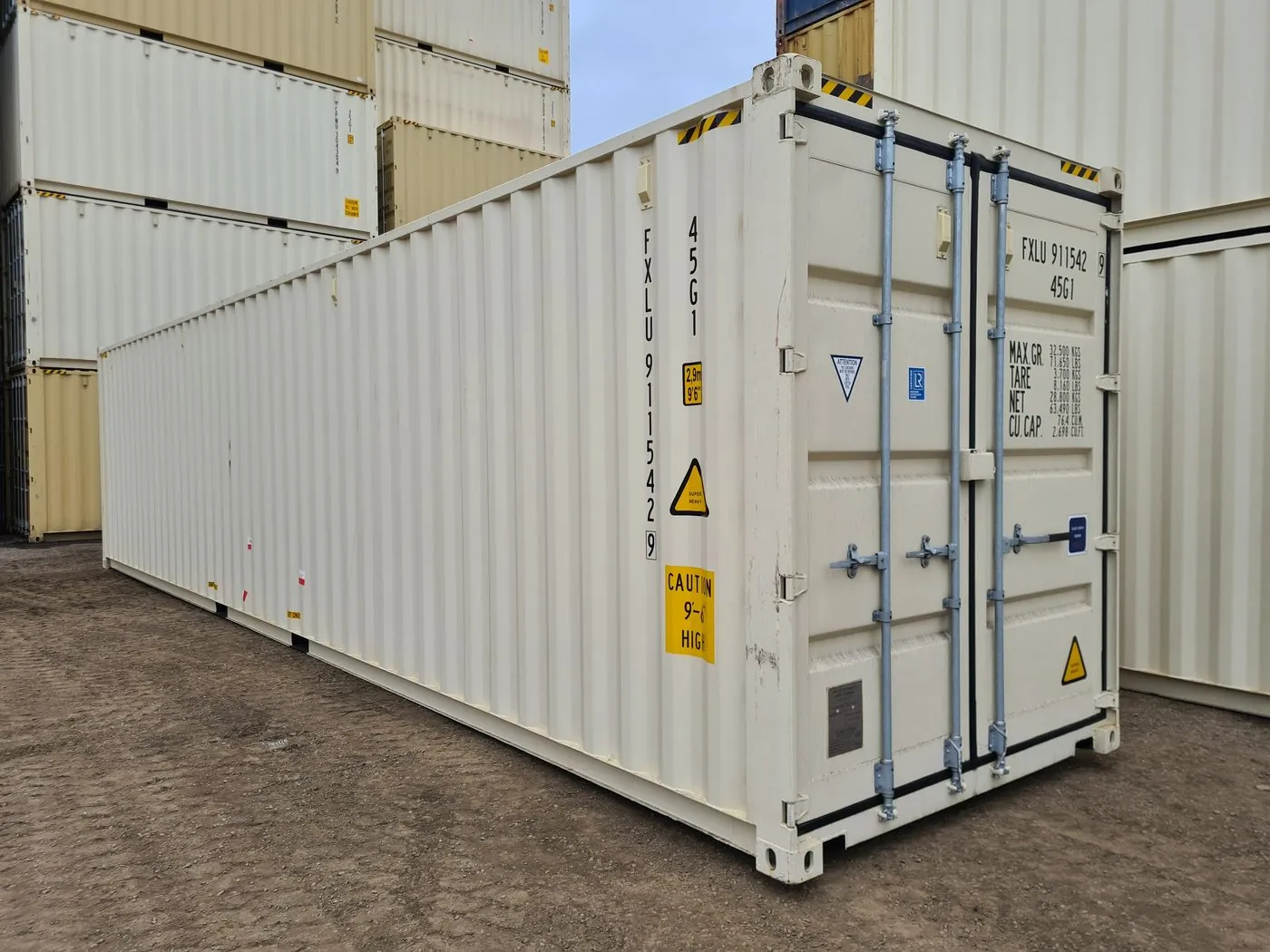 40ft
40ftYou have the space, the approach is genuinely open, and you want the most storage per dollar the site will allow.
Grade matters more than anything else in a container quote. Grade is what decides whether the box keeps water out. Anything sold as cargo-worthy is inspected wind and watertight before release — for storage use, which is separate from the CSC certification an export job needs — and new single-trip units, one loaded voyage with rubbers that have barely weathered, are sealed as well. As-is is the cheap end and carries no watertight claim at all: expect a previous repair, a floor section that has gone soft, or a gasket that no longer pulls up hard against the frame. We list those faults and photograph them on request, before delivery, so nothing turns up as a surprise when the truck does. If what goes inside has to stay dry, start at cargo-worthy.
How the supply works
That is the whole reason this business is not run out of a single gate. Stock is held and turned over through yards and depot partners across the country, and your unit is released from whichever of them is nearest the delivery address with the grade you asked for actually standing in it. Same phone number, same paperwork, same people — a shorter run at the end of it.
The head yard is at 51–55 Bromley Street, Cornubia QLD 4130, half an hour south-east of the Brisbane CBD, and that one you are welcome to drive into on a weekday if you ring ahead. Everywhere else, give us the postcode and you will be told where the box is coming from at the time we quote it, along with photographs of the actual unit on request, sent before delivery.
Delivery
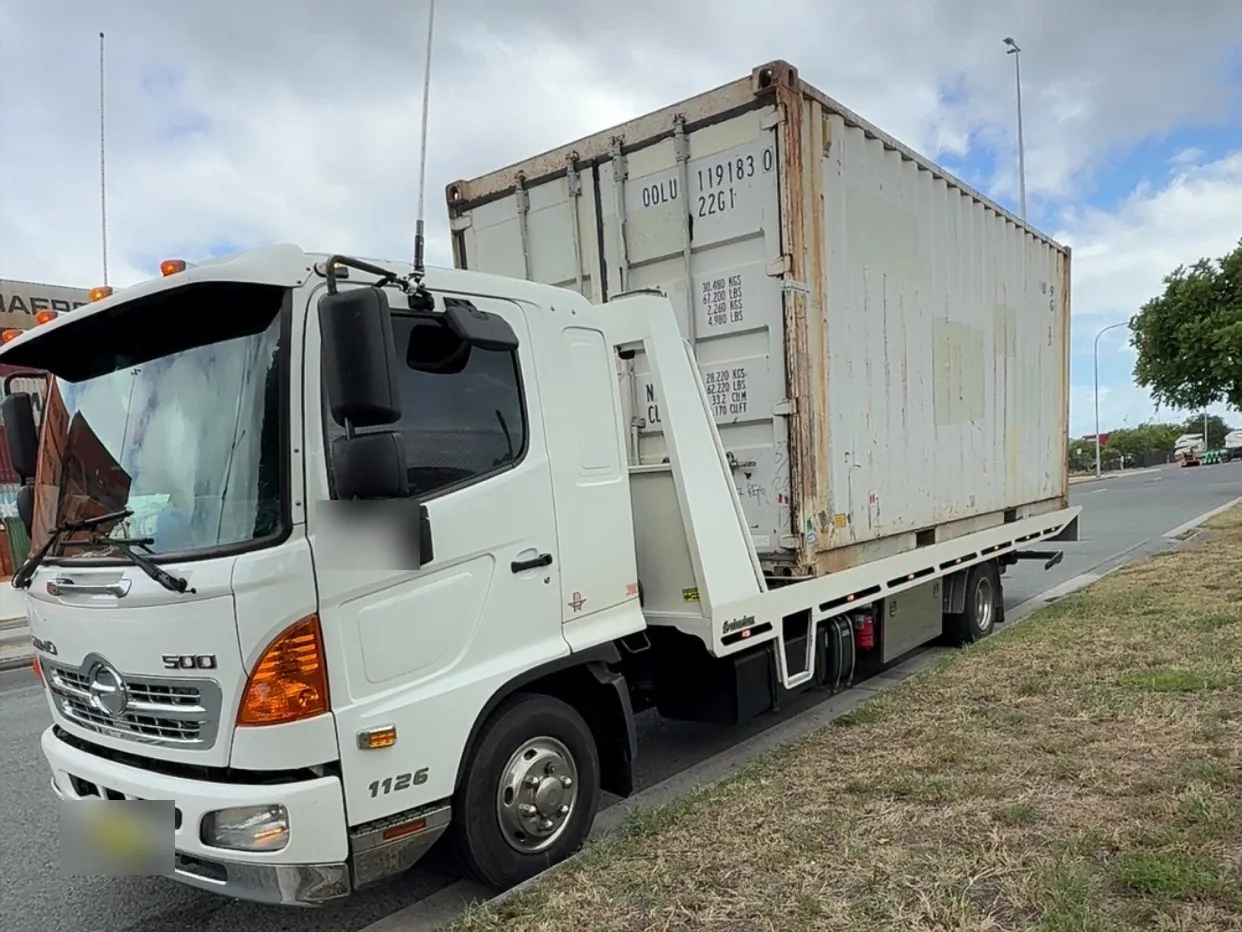
A container is a rigid steel box with no suspension and nowhere to bend. It will not climb a kerb it does not like, it will not duck under a verandah beam, and four corner castings carrying a couple of tonne apiece will find the soft ground on a block within about a second of the tray coming down. Nearly every delivery that turns into a second delivery turns on one of those three things.
Which is why the site questions come before the price. Photographs of the entrance, the run in from the street and the patch of ground the box has to sit on will usually tell us whether the job wants a tilt-tray, a side loader or a crane, and we would far rather know that a week out than have a driver work it out at your gate.
Grades
Three grades cover nearly everything we move. The money between the top and the bottom of that range is usually larger than the gap between two yards quoting on the same grade, so settle the grade first and treat it as the only fair basis for comparing anybody's price.
Manufactured, packed once, sailed once, then stripped out at this end. Walls true, floor clean, factory paint, rubbers that have seen almost no weather. Appearance varies from batch to batch — colour, markings and the odd handling scuff — so ask what is on the ground. Where the container will be on show or converted, start here.
A used unit that is structurally sound, with a solid floor and doors that seal. Scuffs, patches of surface rust and faded shipping-line livery come with it. Inspected wind and watertight before release, for storage use — current CSC certification for shipping is a separate matter and is checked on the specific unit if you need it. This is what most buyers should be looking at, and it is the bulk of what leaves the Cornubia yard.
Finished with sea service and priced on its faults. Cheapest by a distance, and perfectly serviceable for plenty of jobs — a locked store under an existing roof, the shell of a site office, the base of a build. Not sold watertight, and not a sealed vessel either. The faults on the individual unit get described plainly and photographed on request before it goes anywhere near a truck.
New, used or refurbished
Condition decides more of the final figure than length does, and it is the thing that settles whether a unit is sold watertight at all.
A new container has been built, loaded once, carried one voyage and opened up at this end.
Best for: Conversions and fit-outs, display and customer-facing sites, long-term storage of anything that must stay dry, and buyers who want the longest run before doors or seals need attention.
Used covers a lot of ground, which is why it gets graded.
Best for: General storage, site security, farm and trade use, hire fleets, and anyone who wants the container to work rather than to look new.
A refurbished container is a used unit that has been repaired where it needed repairing and repainted in one colour.
Best for: Front-of-house storage, sites where several containers stand together and ought to match, rental and hire fleets, and anyone who wants a used price with a presentable finish.
Where we deliver
We go everywhere. Listed below are the towns there is something worth saying about — what the roads do, what the ground does, which trucks fit down them, and where the drops usually come unstuck.
How it works
What has to go inside it, the address it is headed for, and what the entrance looks like. Those three answers choose the length, the grade and the truck, in that order.
You hear back from a person, not an autoresponder. Enquiries that land on a weekend are answered the next business day. The figure you are given already has the run to your address built into it.
Drive into the Cornubia yard if you are anywhere near it. Otherwise ask, and photographs of the unit with your name against it come through before delivery.
There is a delivery window, and the driver rings ahead on the way. If anything slips at this end you hear about it from us early, while the news is still worth something to you.
Common questions
Whichever one is closest to your address with the right unit standing in it. Stock is held at Cornubia and drawn through yards and depot partners spread right around the country, so a box bound for the Territory or the west coast does not begin its life on a truck in south-east Queensland. Give us the delivery postcode on the first call and you will be told where yours is being released from and what that does to the timing.
Every state and territory, on the one 1300 number. East coast runs are the busiest and the quickest. Inland and northern runs are the ones worth talking through, because what is moving in that direction that week matters more than the map does. The far corners of the country get an honest answer rather than an optimistic one — some of those jobs wait on a truck already heading that way, and you will hear that while we are quoting, not afterwards.
For most jobs, cargo-worthy used. It is a sound working box, inspected wind and watertight before release for storage use, and it costs a long way less than new. If you need to ship in it, current CSC certification is a separate check on the specific unit. Step up to new single-trip when the container is going to be looked at or cut into and converted. As-is sits at the bottom of the price range, carries no watertight claim at all, and earns its keep as a lock-up under an existing roof or as the shell of a build. The grades page sets the three of them out beside each other.
Two things, and the kilometres are only the first of them. The second is what the truck has to do once it turns off the road. A level industrial pad with a wide gate and a sloping residential drive with a power line across the entrance are different jobs even when they sit the same distance from the yard. So cartage is worked out per address and quoted with the container, which puts a single figure in front of you instead of a price with a question mark hanging off it. A call and a couple of photographs of the entrance normally settles it.
It depends on which yard holds the size and grade you have settled on, what else is travelling your way, and what the access at your end asks of the truck, so the honest answer comes with the quote rather than as a promise on a web page. Regional runs depend on what else is travelling that way that week. Through the wet, unsealed roads across the north and the centre close for weeks at a stretch and no amount of money reopens them. Tell us the date the job genuinely needs it by, rather than the polite version, and you will get a straight answer on whether that is achievable.
Possibly, and the only reliable answer comes from your own council rather than from us. The requirements differ from one shire to the next and they turn on how long the container is staying, what is going inside it, and whether it can be seen from the street. Newer estates often carry a covenant that is tighter than anything the council itself asks for. It is a short call to the planning counter, and it is far better made before the truck is booked than after the container is sitting on the block.
Get a price
The form at the top of the page is the only one you need — a few questions about the container and the address, then the best number to reach you on.