
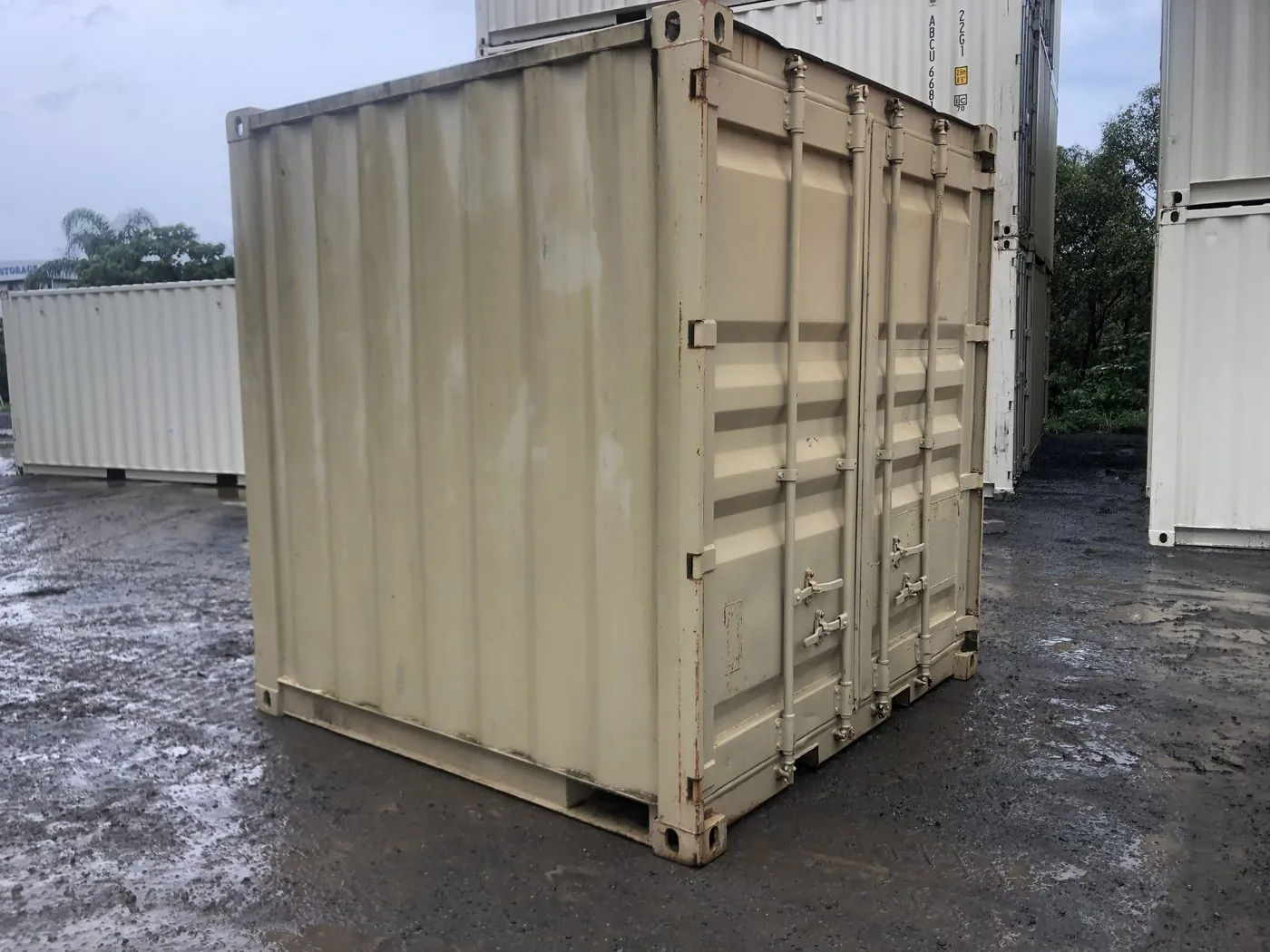
 10ft
10ft10ft Shipping Containers
Side access is pinched, the setback leaves nothing to manoeuvre in, or all that is needed is a lockable spot for the mower, an air compressor and a wall of hand tools.
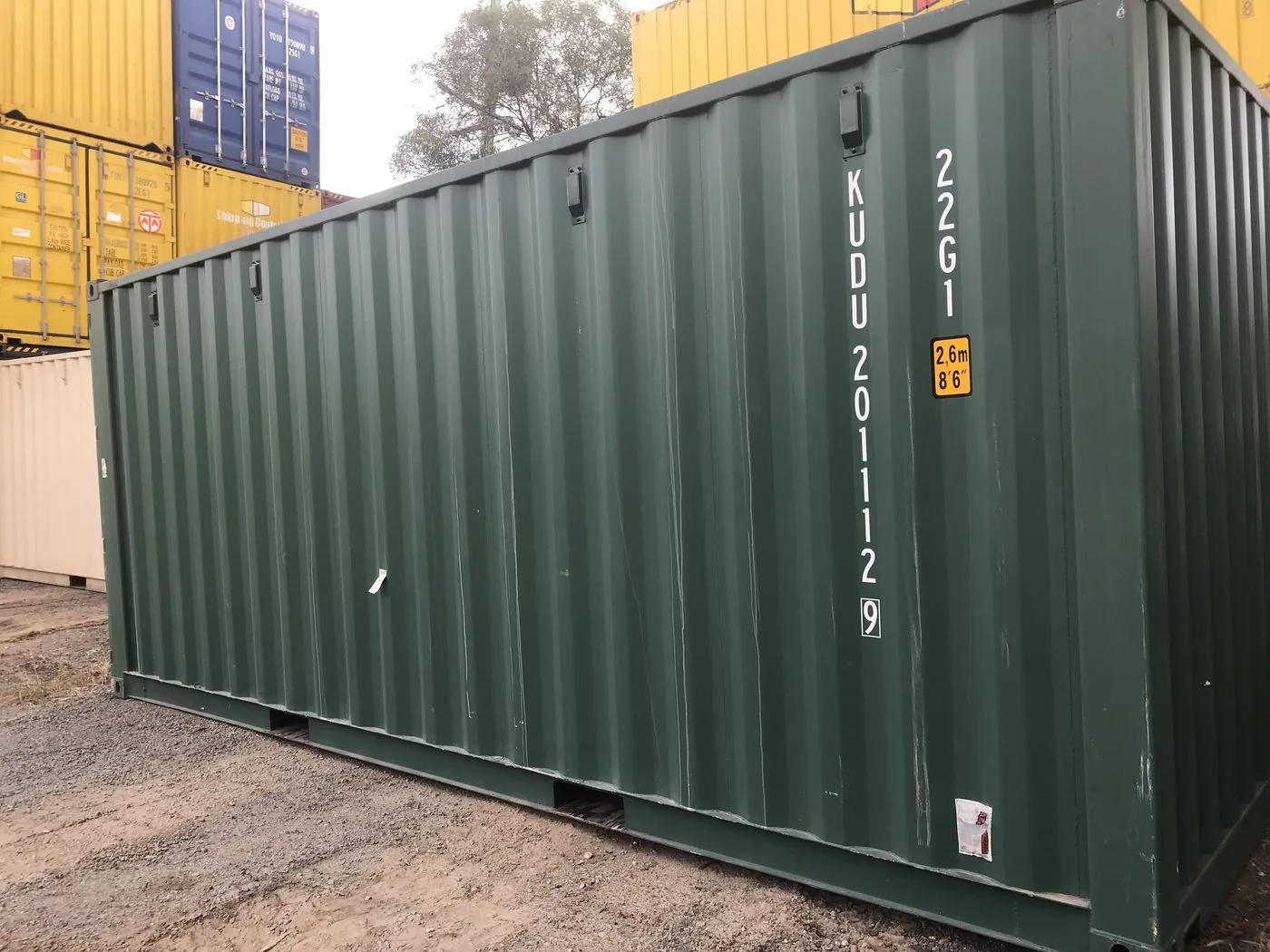
Storage
A locked steel box on your own ground: no monthly unit fee, no drive across town to reach your own gear, and no lease. Whether it works comes down less to the container than to what you put in it and where you decide to stand it.
Work outwards from the contents
People usually start with the size and end up arguing about the price. Start instead with an honest list of what is going inside and the rest of the decisions make themselves — the grade falls out of it, the ventilation falls out of it, and so does where on the block it ought to stand.
Steel stock, timber, fencing, tools in oiled cases, mower and garden gear, building materials waiting on a slab. An as-is unit is a genuinely sensible buy here and considerably cheaper — it carries no watertight claim, so it belongs under an existing roof or holding things that will not care if a corner gets wet.
Furniture, mattresses, paper and records, packaged stock, anything upholstered and anything with a circuit board in it. Cargo-worthy or new, inspected wind and watertight, and then ventilation on top of that — because for this pile the water that causes the damage usually condenses inside rather than coming in through the roof.
Power tools, quad bikes, copper, saleable stock. This one is not answered by the grade at all. It is answered by the lock box, the padlock inside it, which way the doors face and whether a vehicle can get alongside unseen at two in the morning.
Moisture
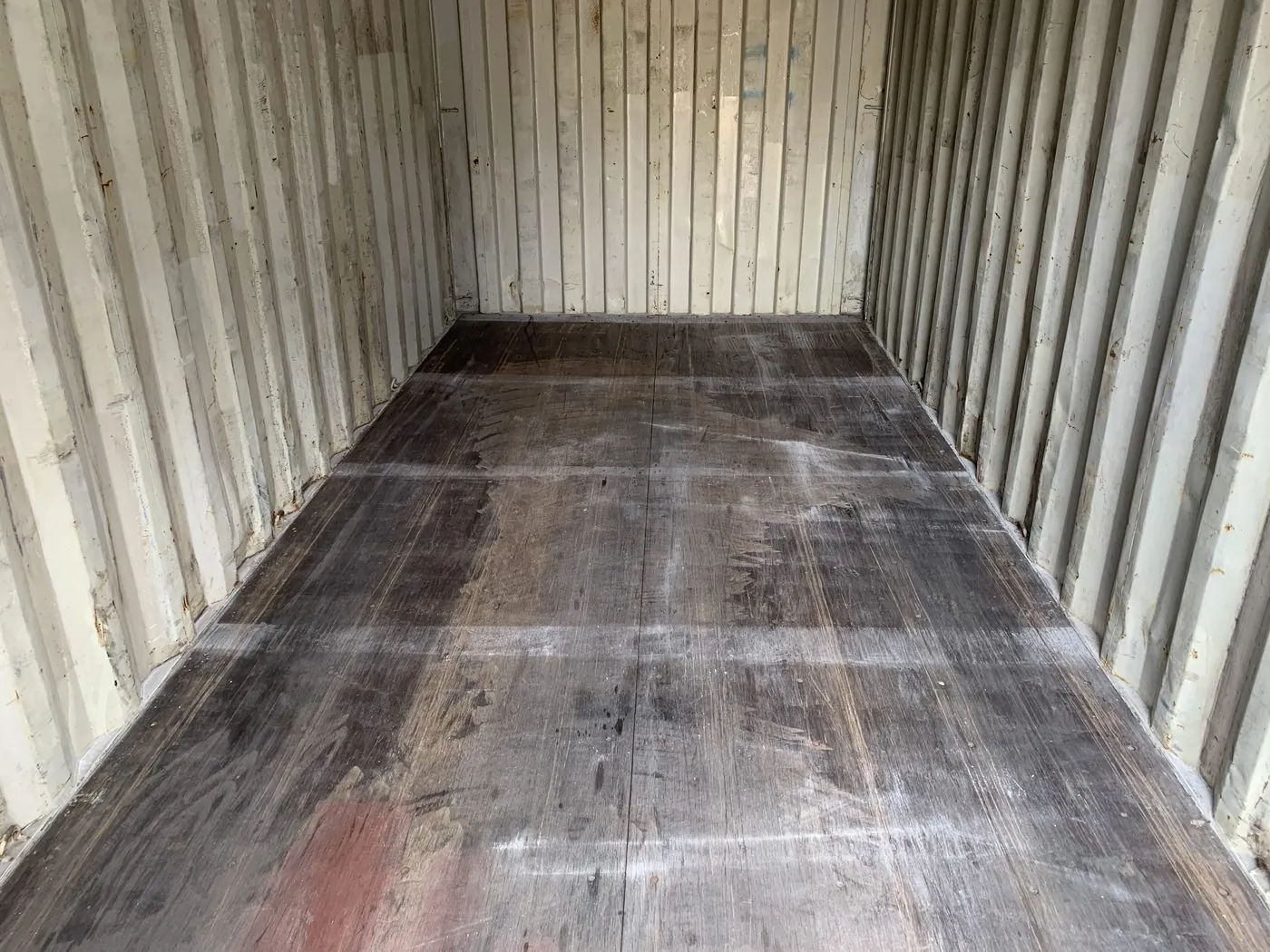
Here is the mechanism, because understanding it makes the fix obvious. On a clear night the roof sheds heat fast and falls below the temperature of the air sealed in underneath. That air cannot hold its moisture at the lower temperature, so it gives it up on the coldest surface it can find, which is the underside of the roof. It gathers, it runs to the low points, and at three in the morning it lands on whatever is directly below.
The moisture almost always came in with the load. Green timber, a mower hosed down the day before, a concrete floor still curing, cardboard that has been sitting outside, or simply loading on a muggy afternoon and shutting the doors on that air. Load dry, get everything up on pallets so air can travel underneath, put vents high at one end and low at the other, use desiccant if the contents justify it, and line or insulate the roof on a unit that will stay full for years.
Siting
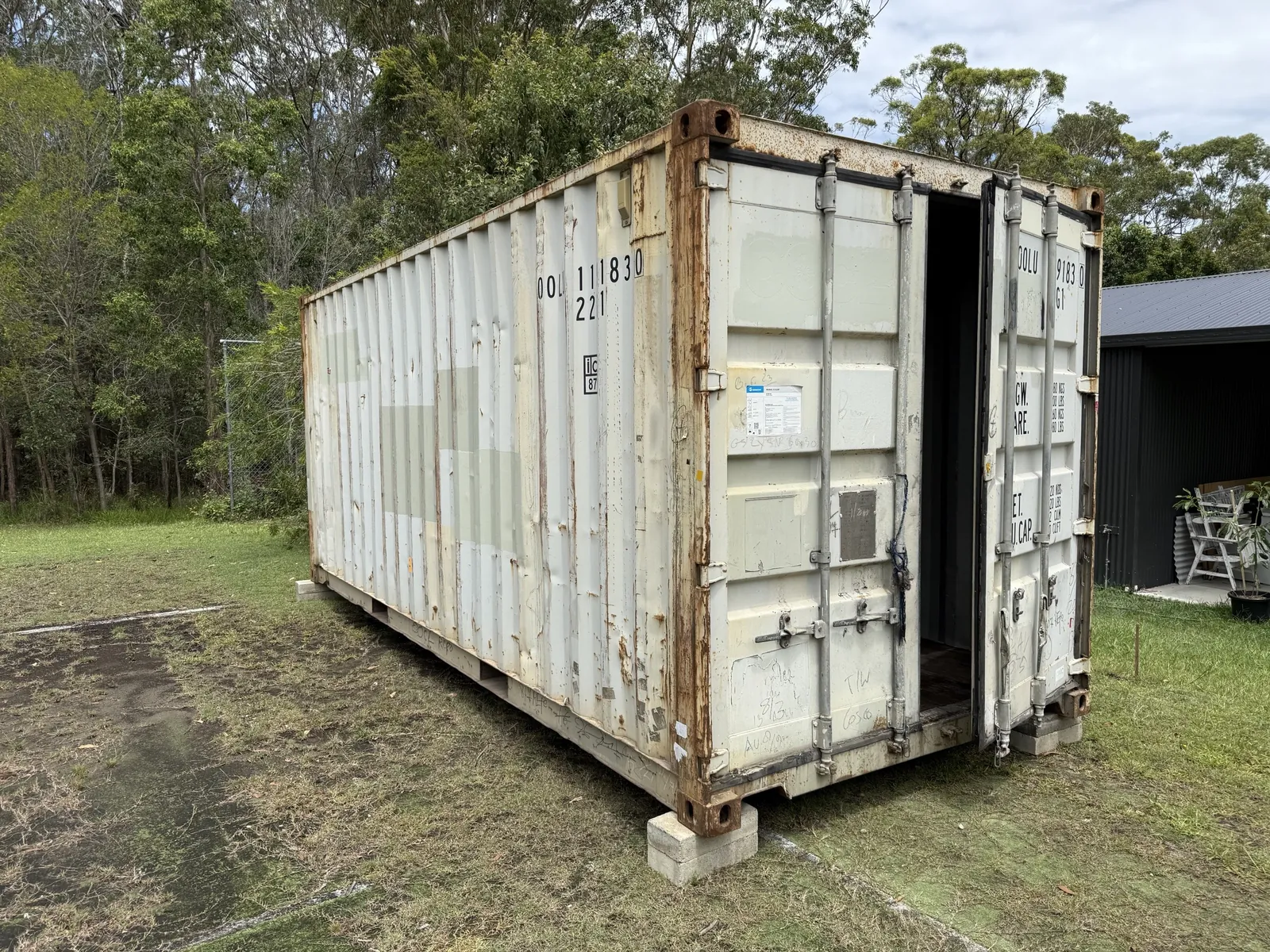
The whole weight rides on the four corner castings, so put something solid under each of them — hardwood sleepers, concrete pads, or base that has actually been compacted rather than merely raked. Done that way the box stays square, the doors keep swinging properly and air keeps moving under the floor. Set flat on turf instead, it holds damp against the underside and begins rusting on the one face nobody ever looks at.
Level matters more than most people expect, because a container is a big rigid frame and it does not forgive a corner that has settled. Run the fall away from the door end so water is not standing at the threshold. Leave the full swing of the doors clear plus somewhere to stand while you use them, and leave a truck a way back in — sooner or later that container gets moved, and the day it happens is the wrong day to discover a new carport is in the way.
Security
None of these cost much, and every one of them matters more than the brand on the padlock.
The limits
A cargo-worthy or new unit is inspected wind and watertight, which means weather from above stays above. It is not a sealed vessel and was never built to be one. Water arriving at ground level finds its way past the door seals, and an empty container is buoyant enough to lift and travel rather than stay where it was put. If the ground it stands on can go under, the only real protection is height above that line and enough warning to get the contents out.
Approvals are the other limit, and they are local. Whether a container on your block needs anything from the council depends on how long it is staying, how visible it is, where it sits relative to the boundary and what you are doing in it — and that genuinely differs shire to shire. Ring your own council and ask; our notes on council approval cover the general shape of it, but nobody but your council can tell you the answer for your address.
Sizes
10ftSide access is pinched, the setback leaves nothing to manoeuvre in, or all that is needed is a lockable spot for the mower, an air compressor and a wall of hand tools.
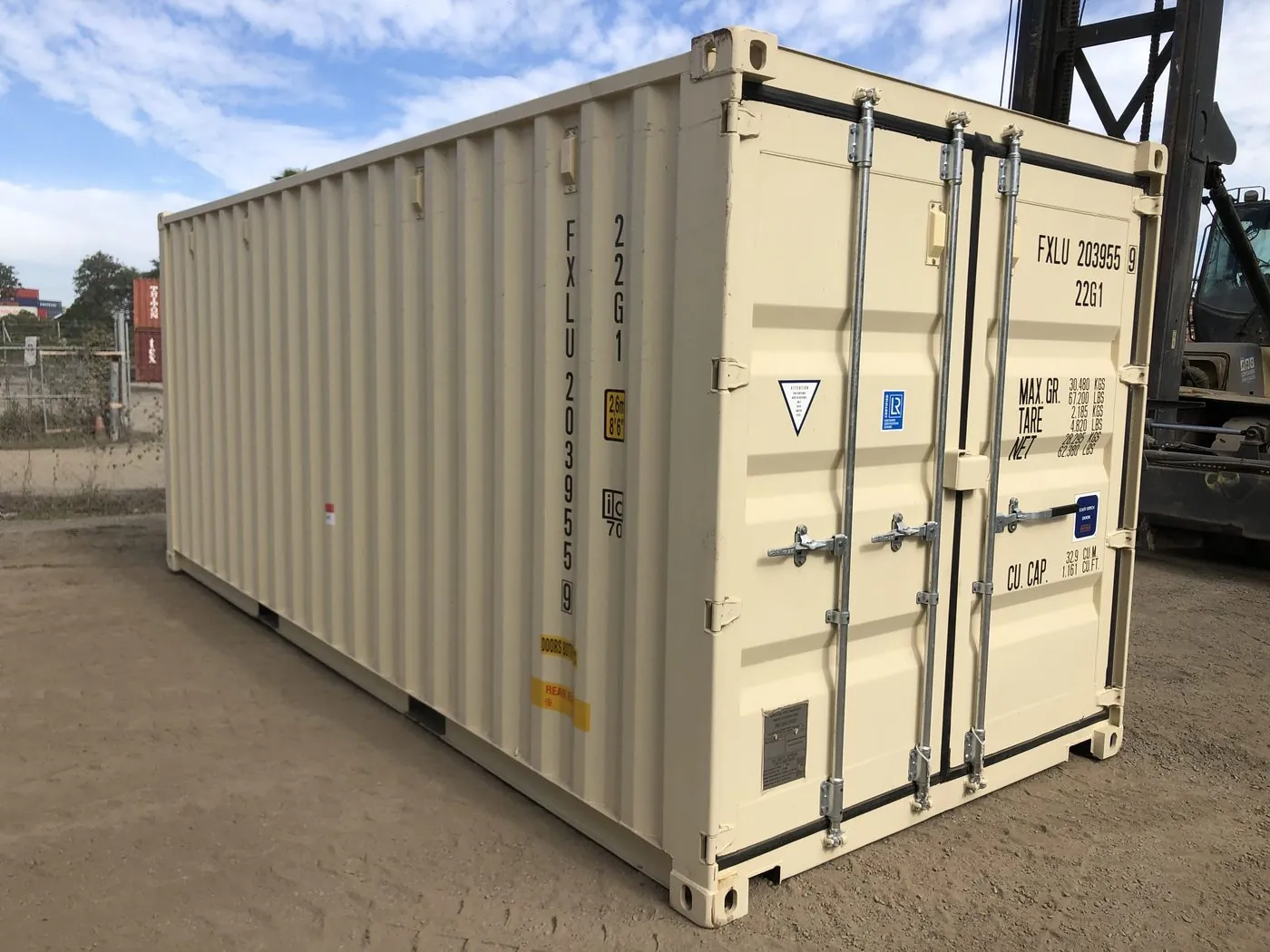 20ft
20ftThere is about seven metres of straight, reasonably level ground for it to sit on, and you would rather not discover in half a year that the bigger box was the answer.
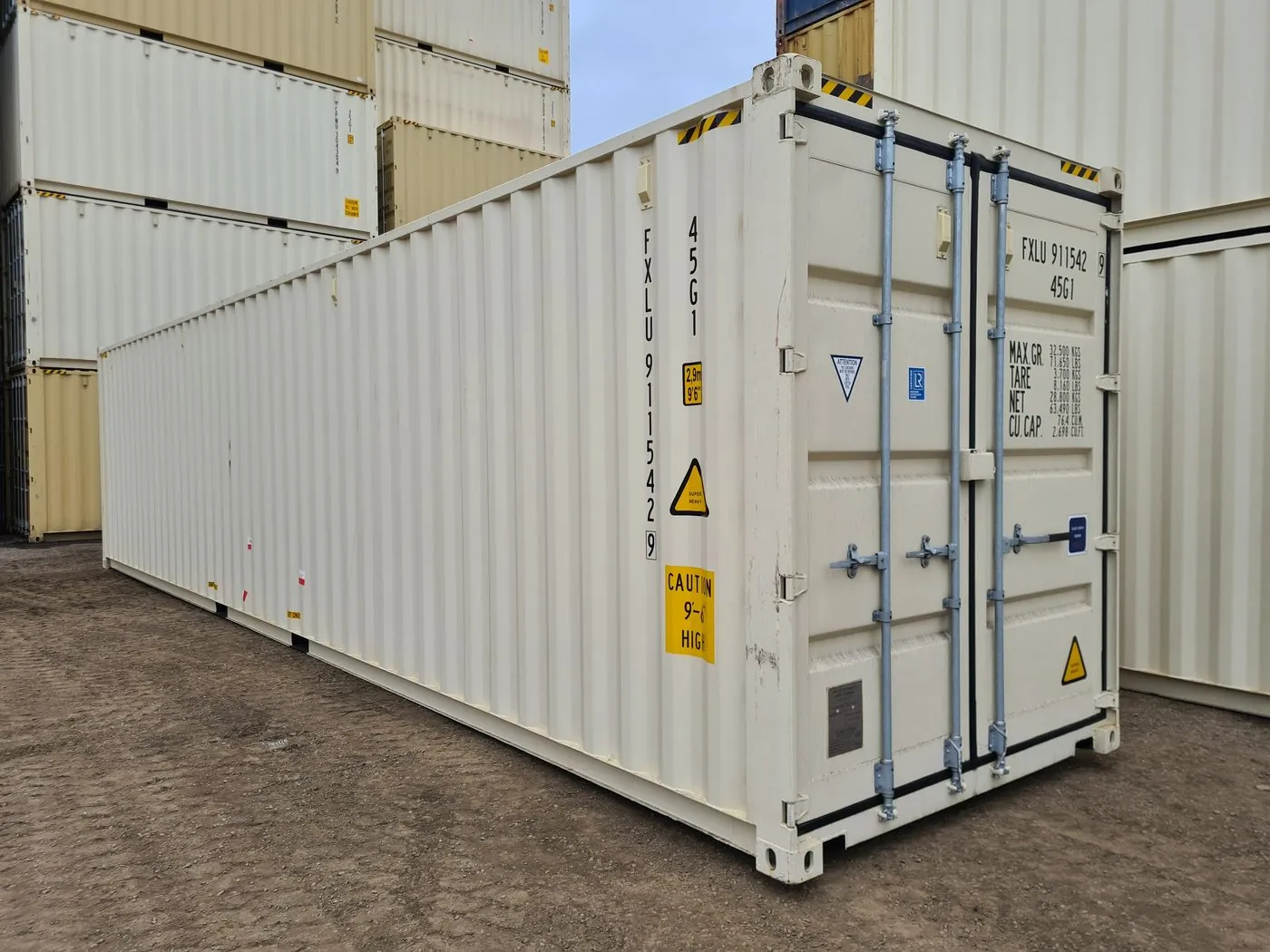 40ft
40ftYou have the space, the approach is genuinely open, and you want the most storage per dollar the site will allow.
Questions
Off the inside of the roof, almost certainly. Steel loses heat quickly overnight and drops below the temperature of the air shut in underneath it; whatever moisture that air is carrying comes out on the cold surface, runs to the low point and drips. It is the commonest complaint about container storage and it is very rarely the container's fault. The moisture came in with the contents or with the air, and the fix is ventilation and dry loading rather than a new roof.
If it is going to be shut up for months with anything that minds moisture, yes. Vents high at one end and low at the other let air move through the whole length rather than sit still, which is what stops the roof sweating in the first place. On a unit that will be full for years and holds something valuable, insulation or a lining panel on the roof is the more thorough answer because it stops the steel getting cold enough to condense in the first place.
Something firm under each of the four corner castings — hardwood sleepers, concrete pads or a well-compacted base is the ordinary answer. What matters is that the corners carry the weight, the box sits square, and there is air moving under the floor. Setting it flat on grass traps damp against the underside, starts rust on the one surface you never inspect and, on soft ground, lets a corner sink until the doors will not line up.
It is a steel box with one opening, which is a strong start, and every unit comes with a lock box — a steel shroud welded over the padlock area so bolt cutters cannot reach the shackle. Put a closed-shackle padlock inside it and the lock stops being the weak point. After that it is siting: doors facing a wall or the house rather than the street, a light and a camera on the door end, and nowhere for a vehicle to back up out of sight.
It comes back to whether the need has an end date. Storage for the length of a build, a renovation or a season is a hire job. Storage because the shed is full and always will be is a purchase, and the money stops going out at some point. If you cannot decide, hire one for a few months and see how much of it you actually use before you buy — plenty of people discover they needed a bigger box, or did not need one at all.
Sometimes yes and sometimes only with approval, and the difference is your local council rather than any general rule. How long it stays, how visible it is from the road, how close to the boundary it sits and whether anybody is working in it all tend to come into it. Ring your own council and ask before the truck is booked — it is a short call, and it is far less painful than moving a container after a complaint.
Feed and general farm supplies are everyday container cargo and the usual advice about rodents and ventilation applies. Fuel and chemicals are a different matter — there are real rules about quantities, bunding and separation, and they vary with what you are storing and where you are. Purpose-built dangerous goods containers exist for exactly this, and the sensible order is to check your obligations first and then ring us about the right unit.
Make room with Koala
Tools, camping gear and the stuff you swear you’ll need one day. A Koala container gives it a place of its own.
Tell us what you need and where it’s going. We’ll help with the size and grade, and get you a container and delivery price.
Get my delivered priceWork out what fits
Room for more.Less mucking around.
Get a price
Tell us what is going inside, roughly how long for and the town it is going to.
Or skip the form and ring us — 1300 467 776, Mon-Fri 7:30am-5pm, Sat 8am-12pm